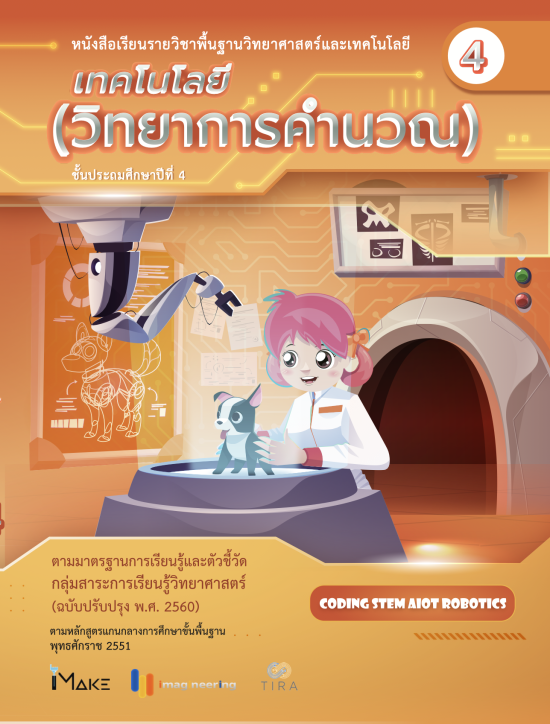
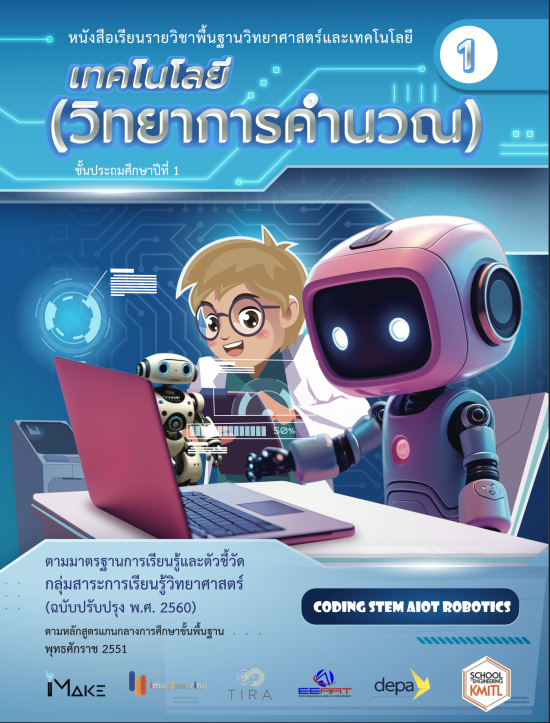
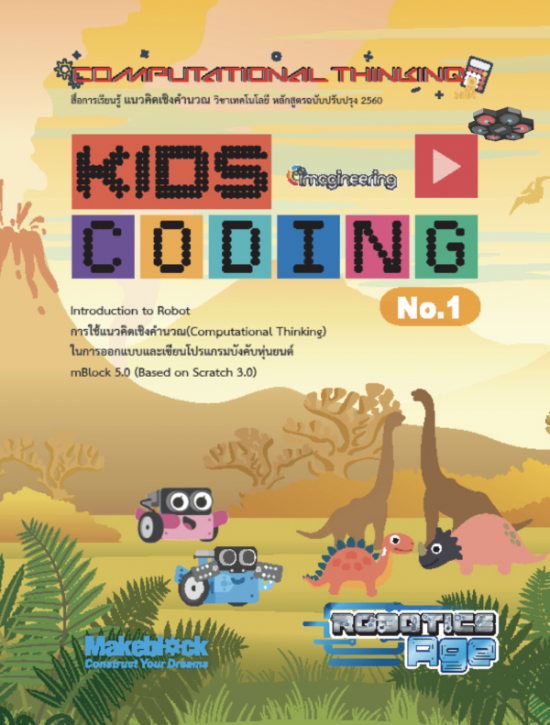
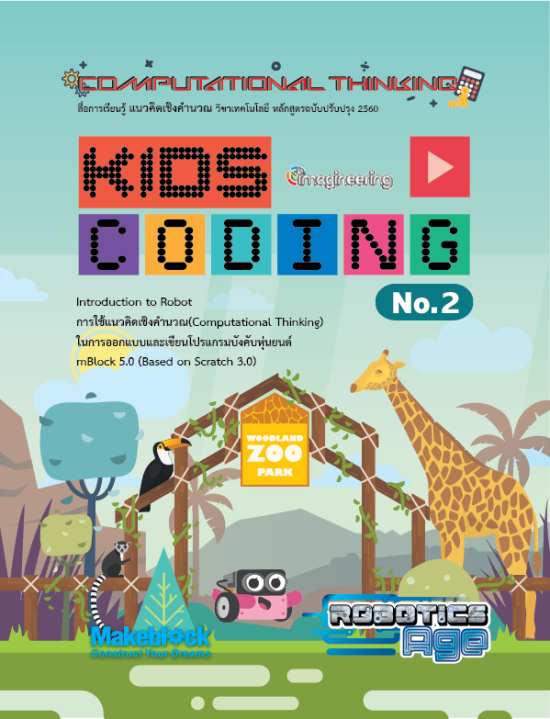
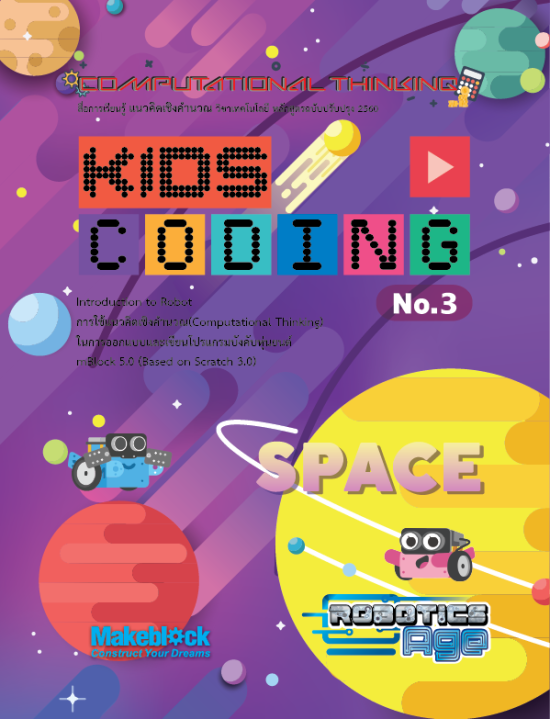
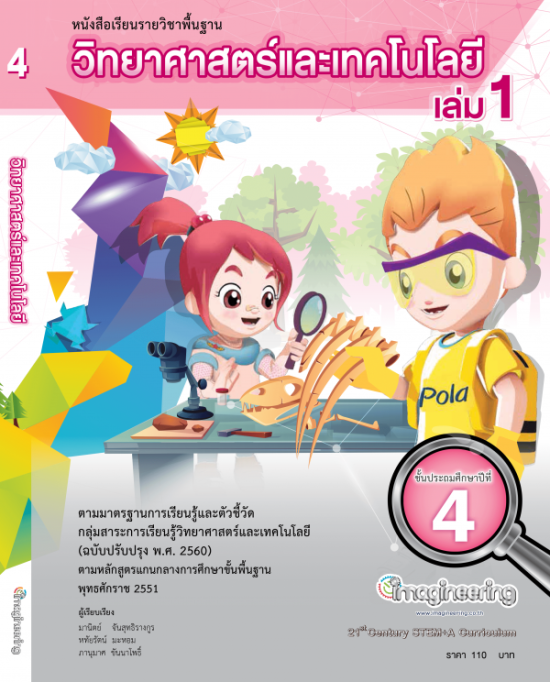
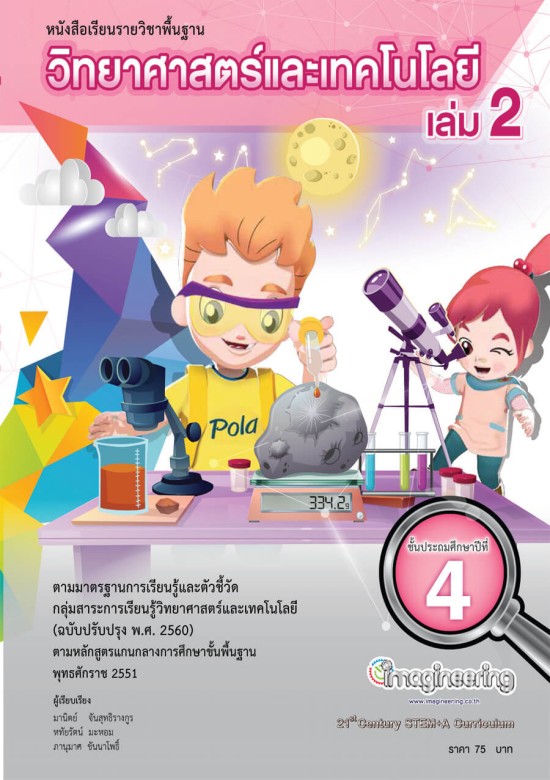
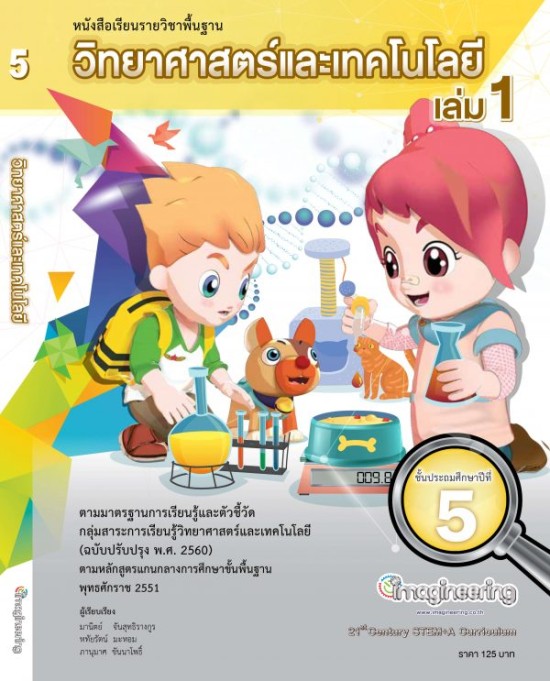
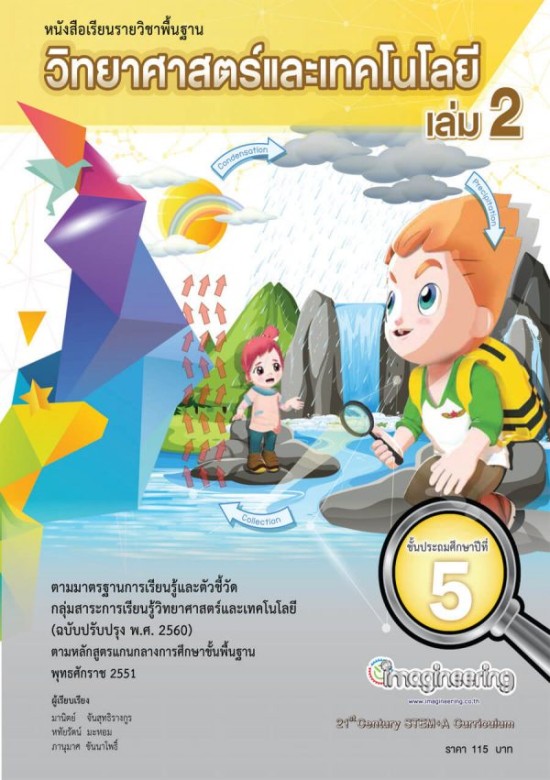
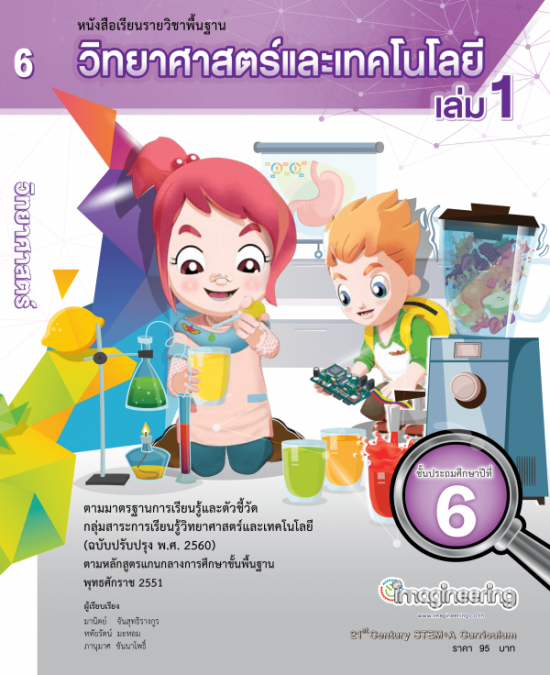
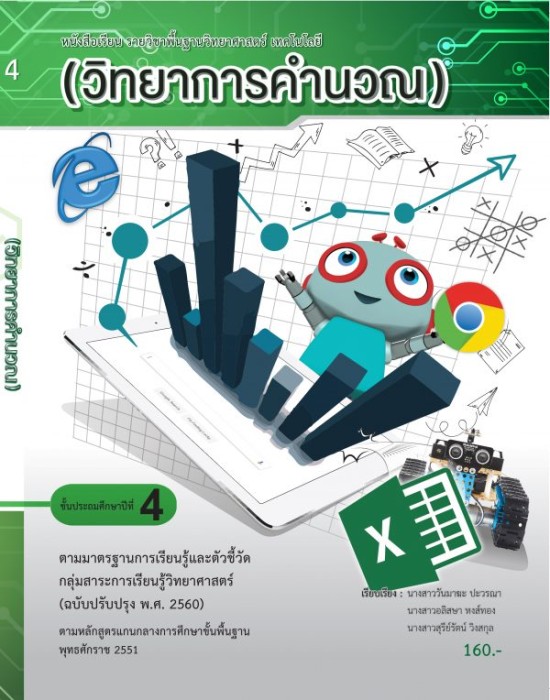
Technology (Computational Science), Grade 4
quantity : 1943 Items in stock
Category : Early Childhood Level Books, Elementary School Books, Grade 4
Book Information
Book Title
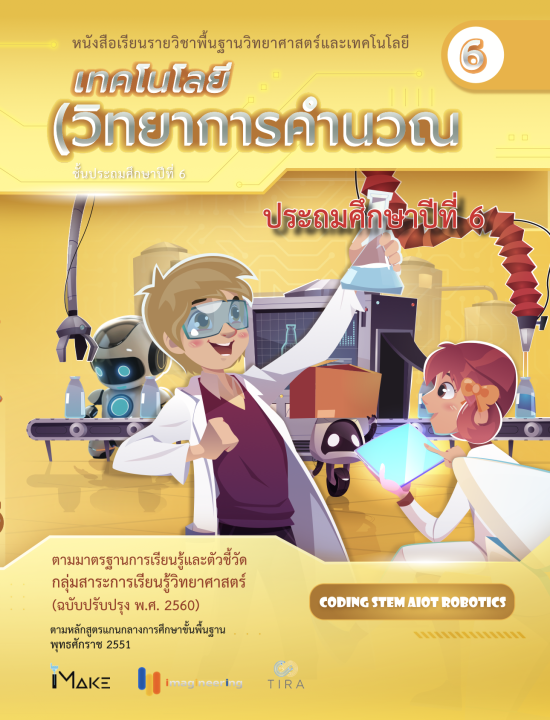
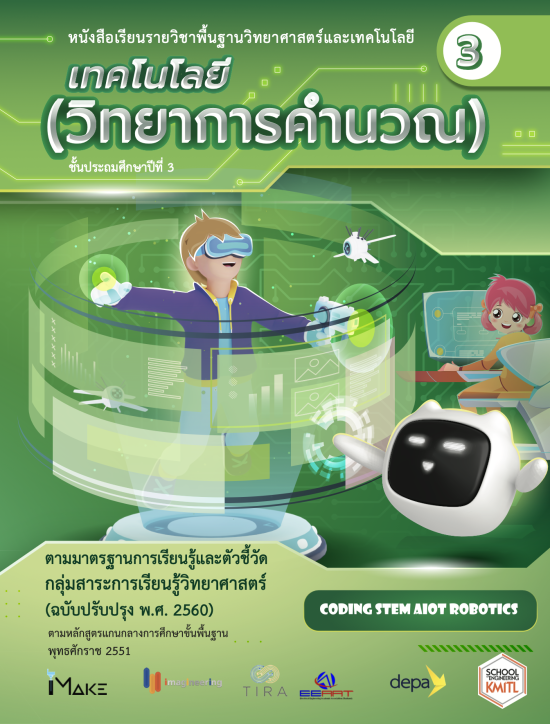
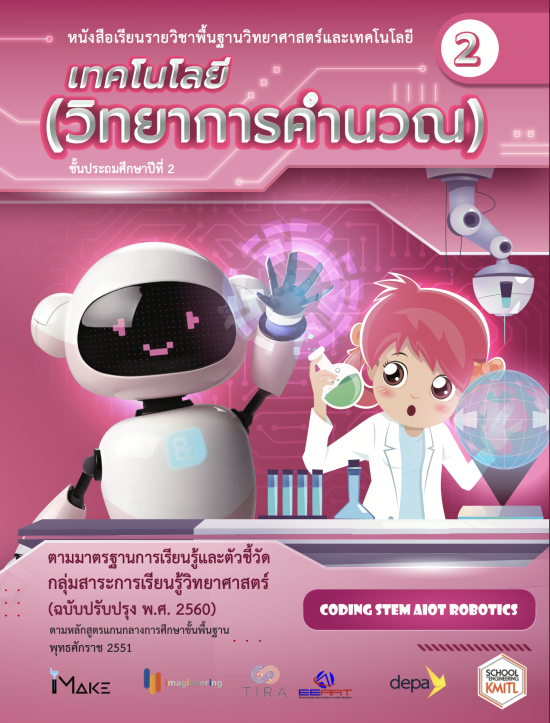
Technology (Computational Science)
Grade Level
Grade 4 (Primary 4)
Book Type
Core Subject Textbook
Science and Technology Learning Area
Curriculum Standards
Developed in accordance with the learning standards and indicators of the Science Learning Area, based on the Basic Education Core Curriculum B.E. 2551 (2008), revised edition B.E. 2560 (2017).
Book Concept
Coding • STEM • AIoT • Robotics
Book Objectives
This book aims to develop Computational Thinking skills and the creative use of digital technology for Grade 4 students. The learning approach emphasizes hands-on practice, analytical thinking, and problem-solving design.
Students will develop essential skills including:
-
Logical thinking and problem analysis
-
Algorithm design and step-by-step problem solving
-
Basic programming and simple project development
-
Using technology to create innovations
-
Teamwork skills through technology project development
Learning Management Approach
The book applies modern learning methodologies, including:
-
Activity-Based Learning
-
Project-Based Learning
-
STEM Learning Approach
-
Design Thinking
-
Problem-Based Learning
Activities encourage experimentation, creation of projects, and real-life application of technology knowledge.
Table of Contents
Unit 1: Computational Thinking
-
Using logical reasoning to solve problems
-
Pre-learning activity: Logical reasoning
-
Computational Thinking concepts
-
Algorithm design
-
Activity: Explaining logical reasoning in problem solving
-
Logical reasoning for problem solving
-
Activity: Considering rules and conditions
-
Rules and conditions analysis
-
Different initial working states
-
Activity: Traveling to school using different methods
Unit 2: CODE
-
Designing and writing simple programs using software or media
-
Pre-learning activity: Algorithm design
-
Computer fundamentals
-
Programming concepts
-
Activity: Designing daily routines
-
Simple program design
-
Activity: Designing and programming a story
-
Introduction to Scratch 3.0
-
Block-based coding commands
-
Program debugging
-
Activity: Programming daily routine storytelling
Unit 3: Robotics
-
Using robots as a programming learning tool
-
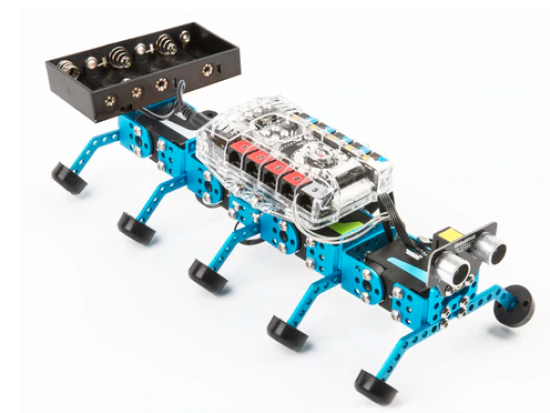
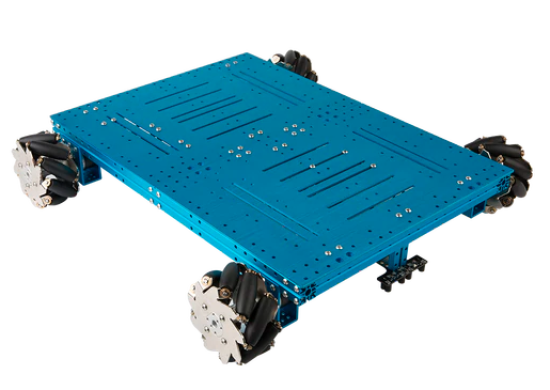
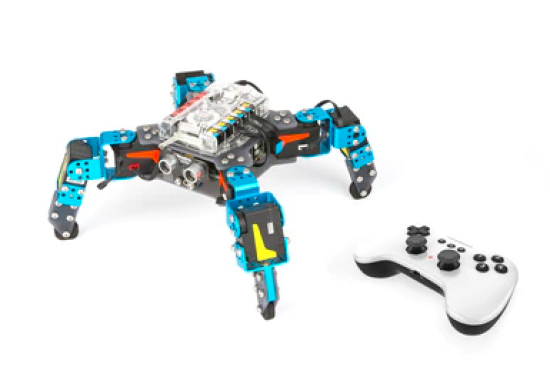
Robot fundamentals
-
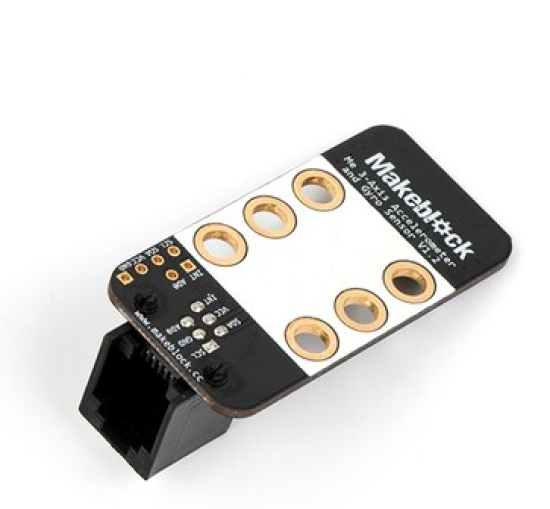
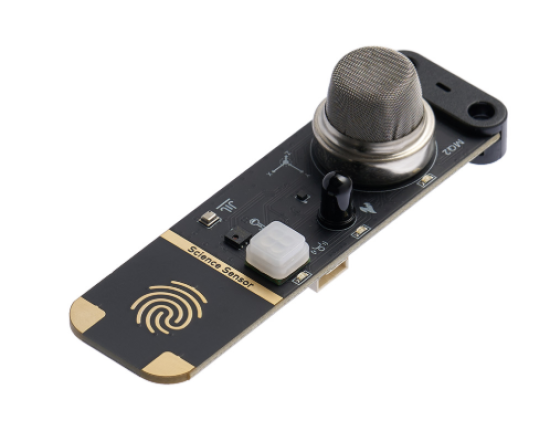
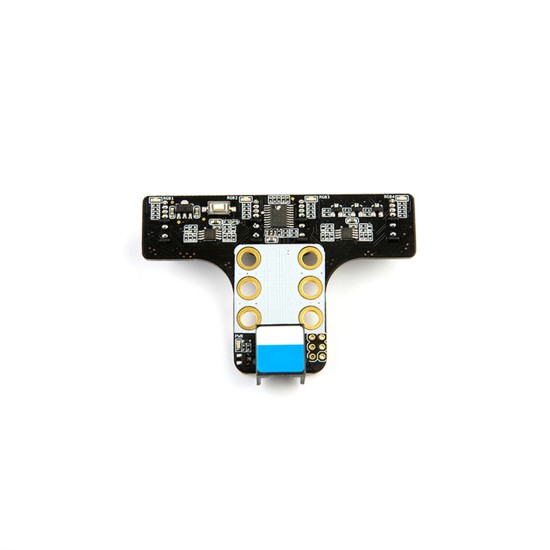
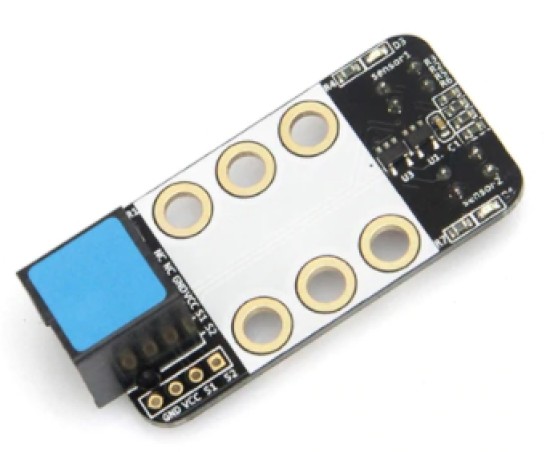
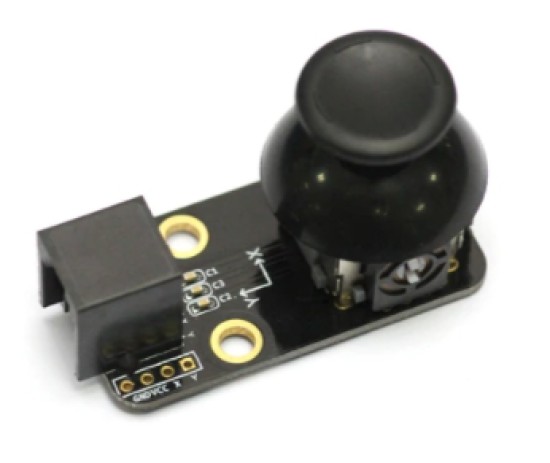
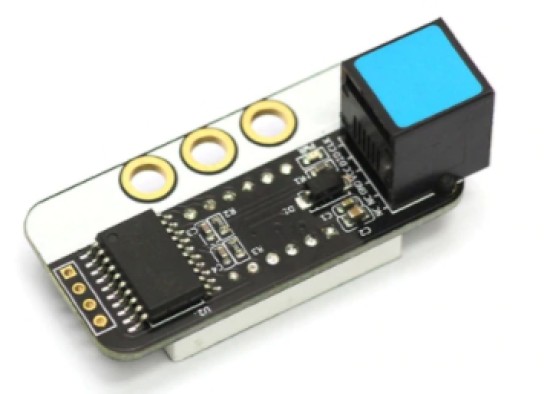
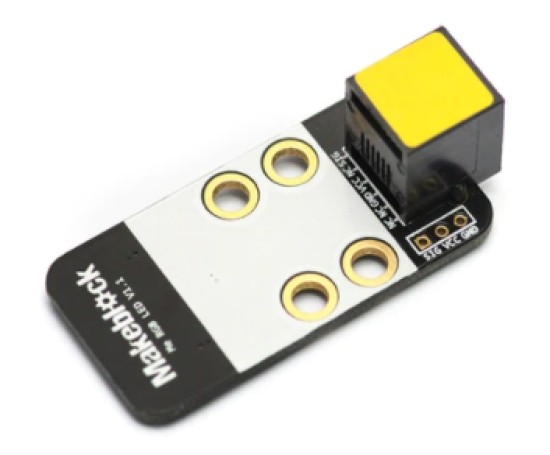
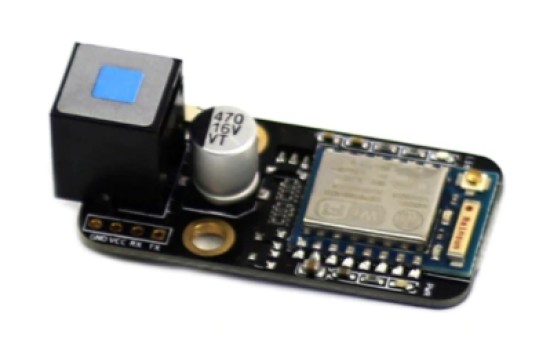
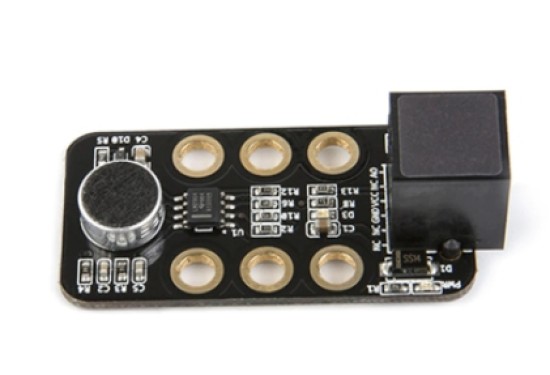
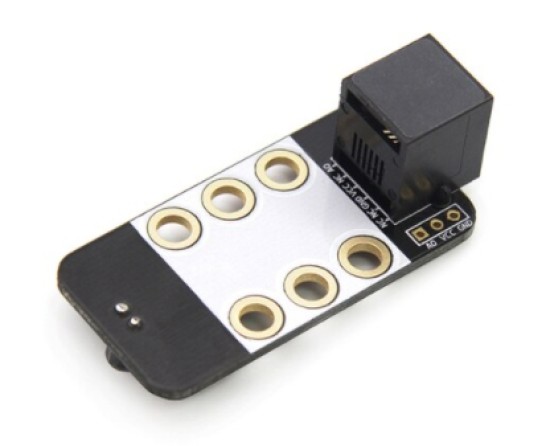
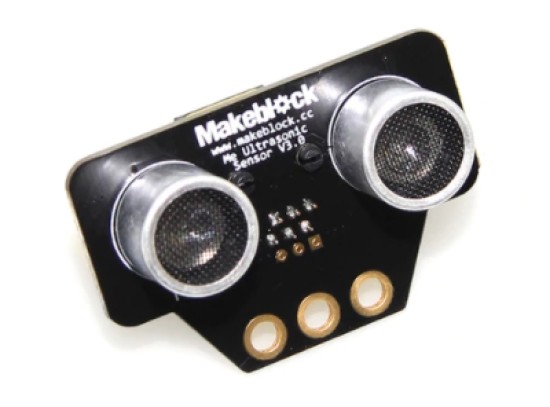
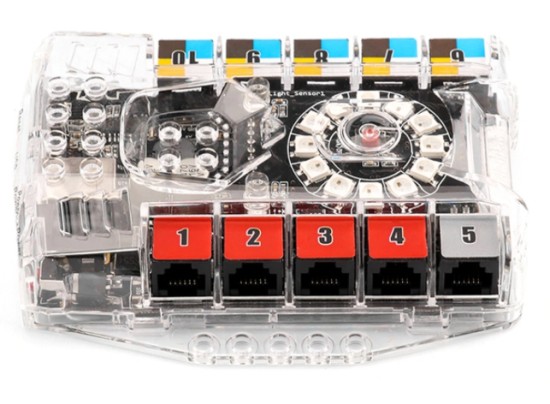
Robot sensors
-
How robots are controlled
-
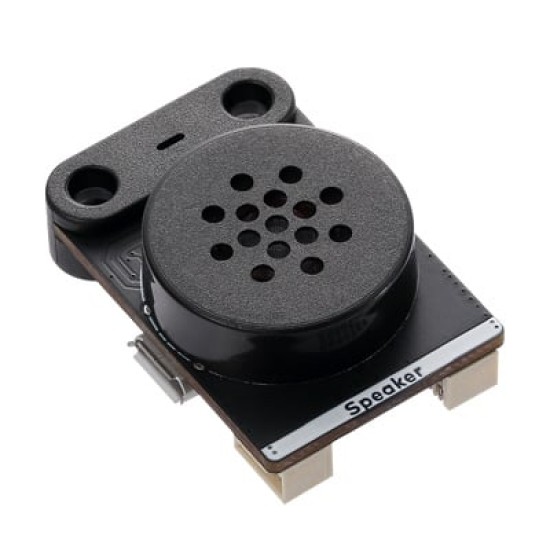
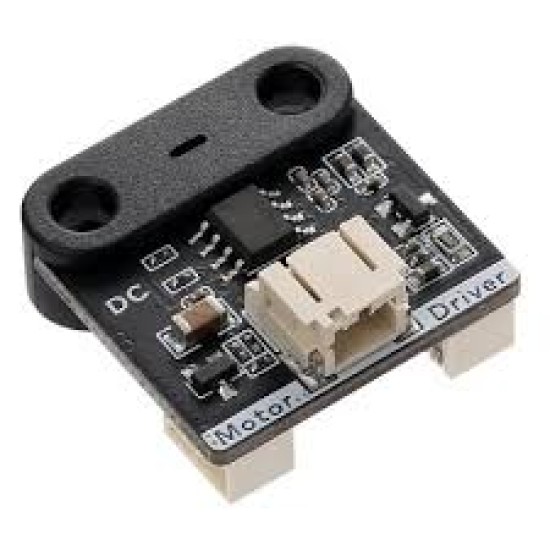
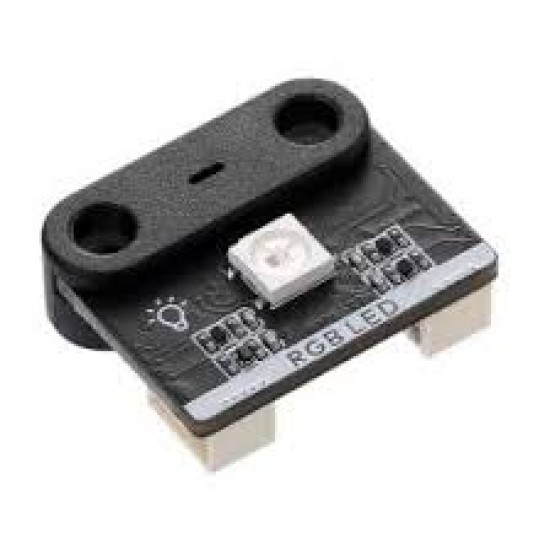
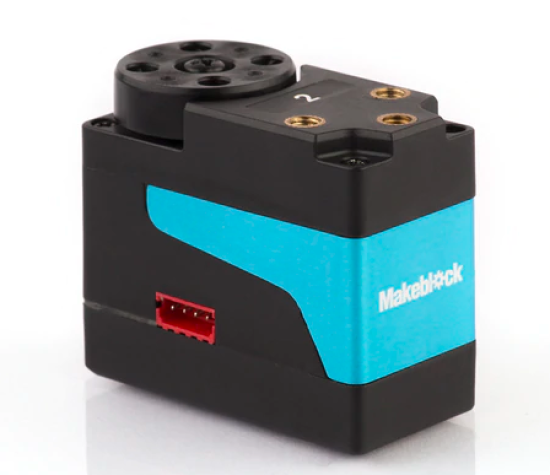
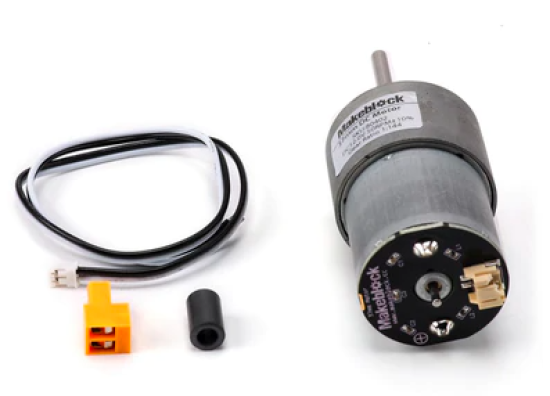
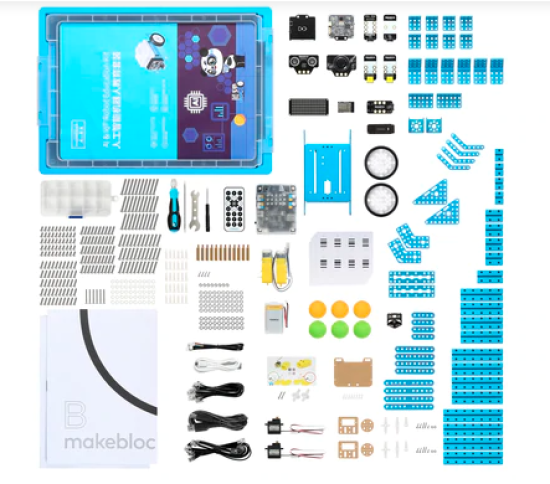
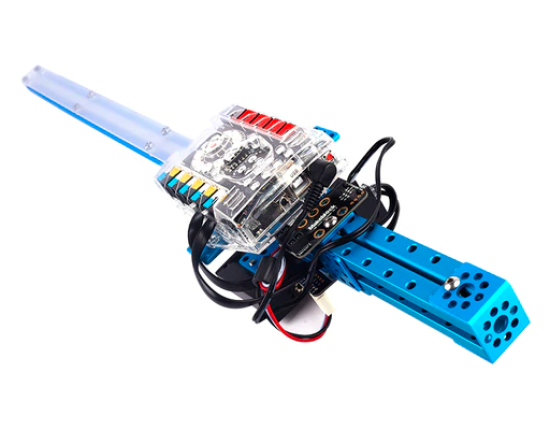
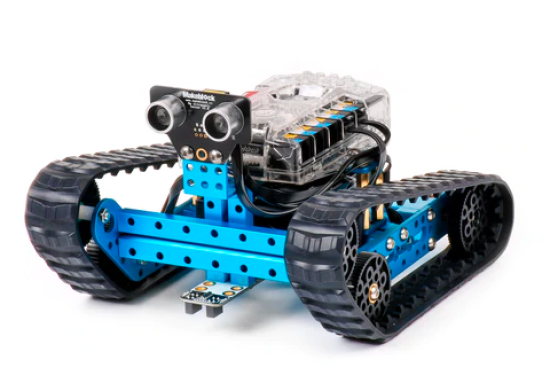
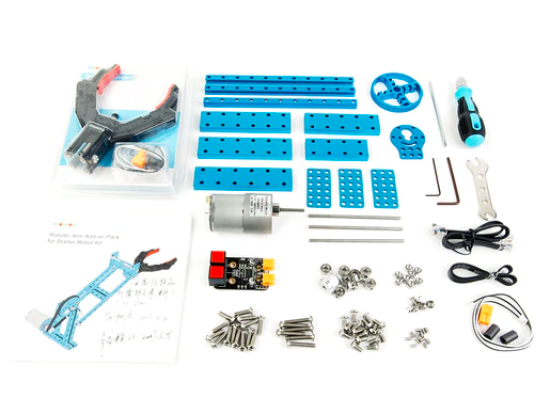
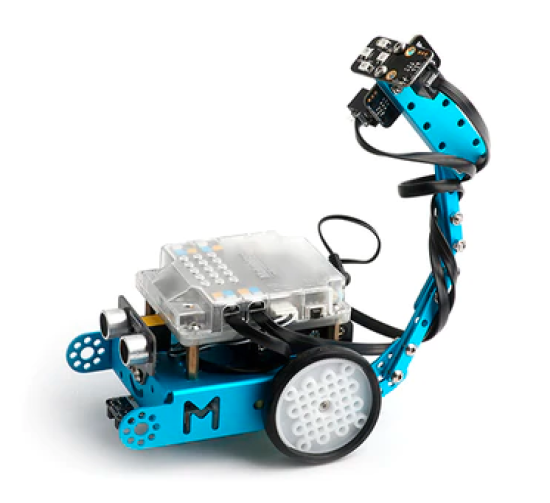
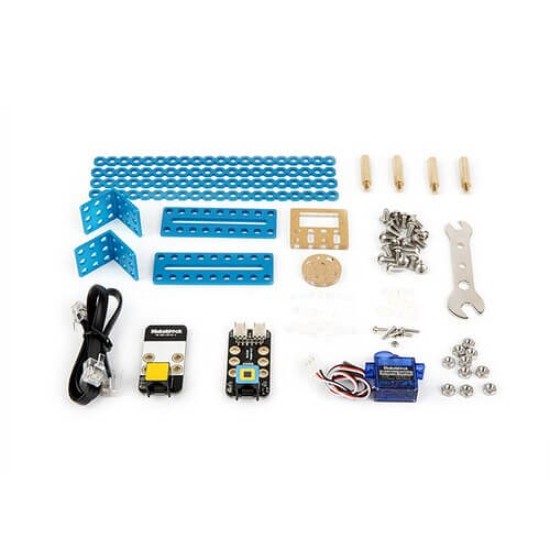
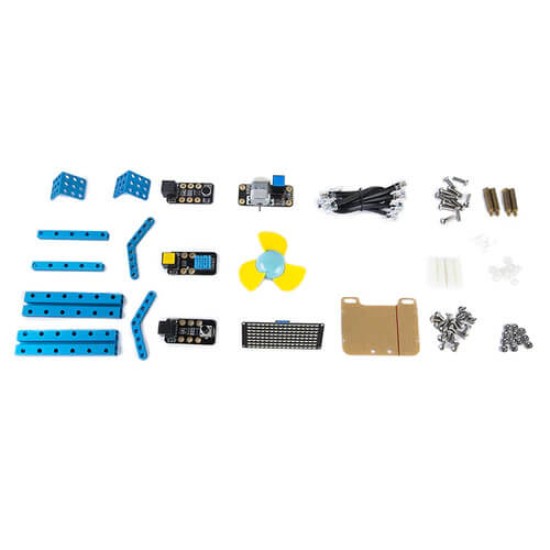
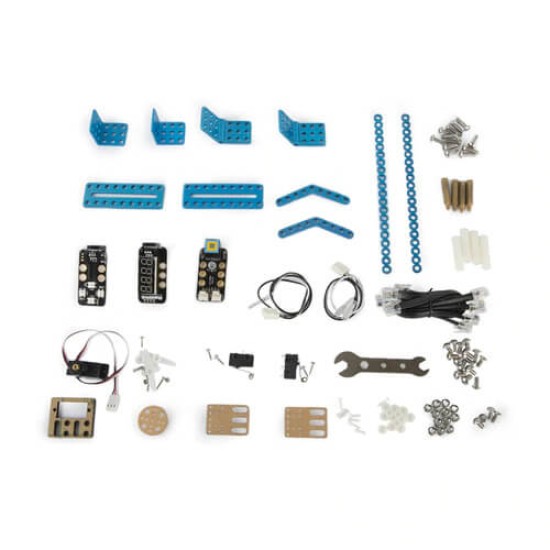
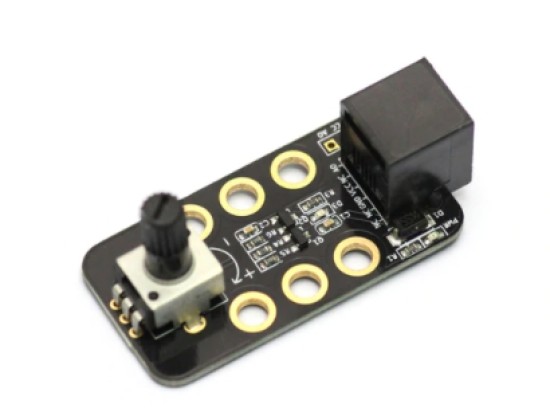
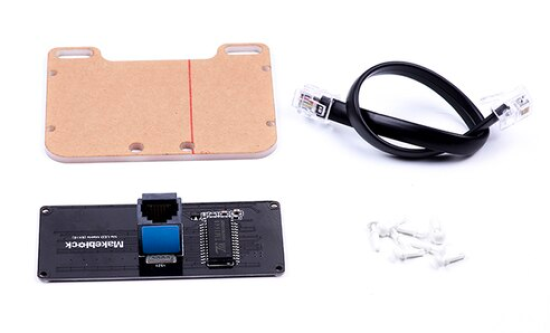
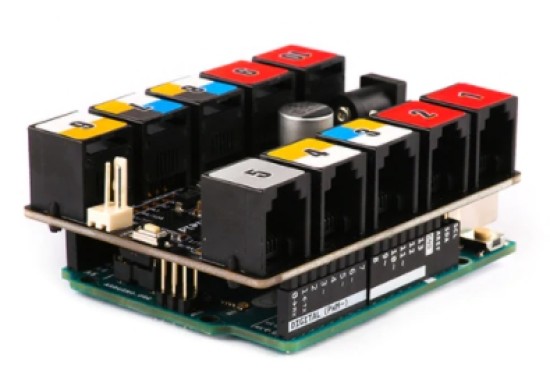
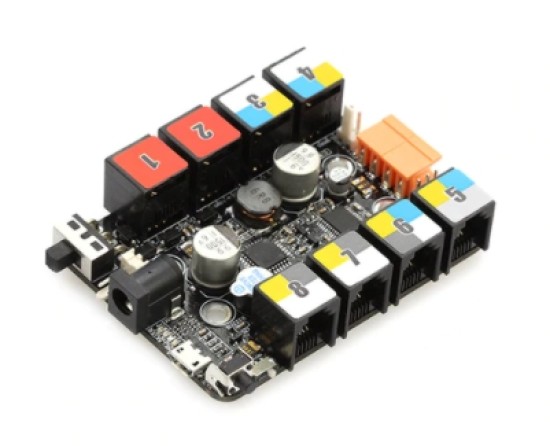
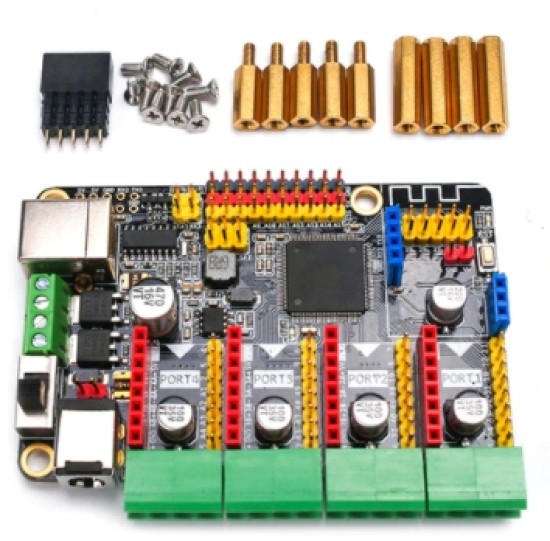
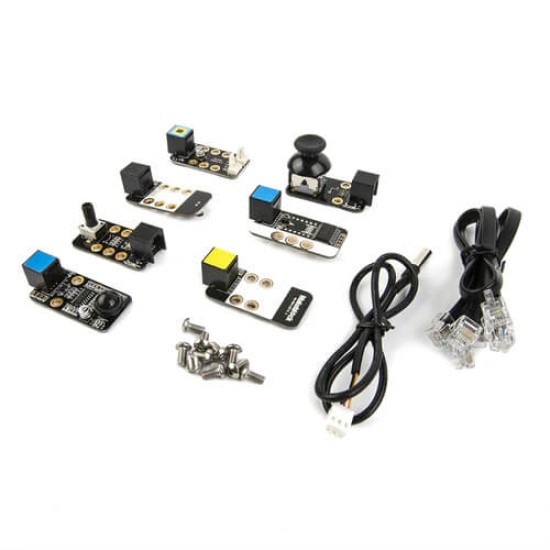
Examples of robot components
-
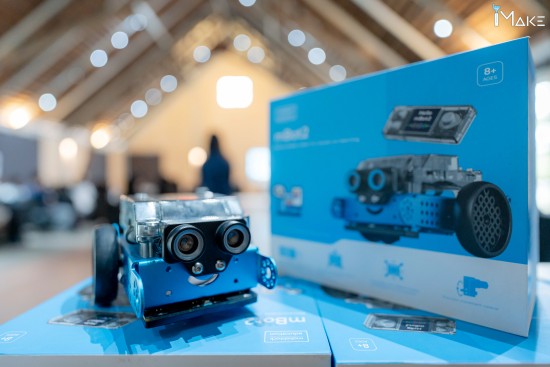
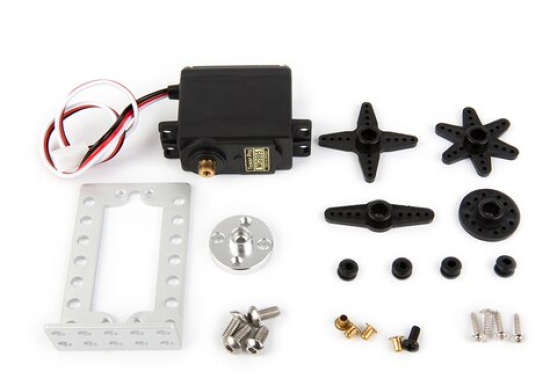
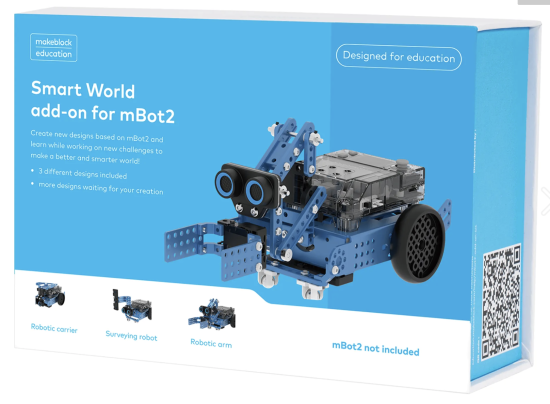
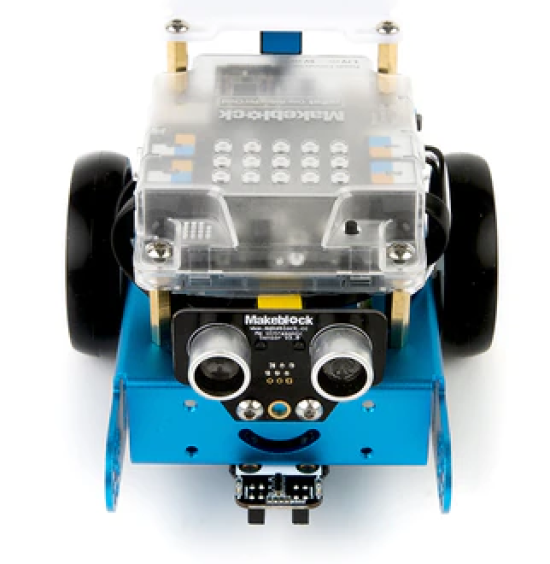
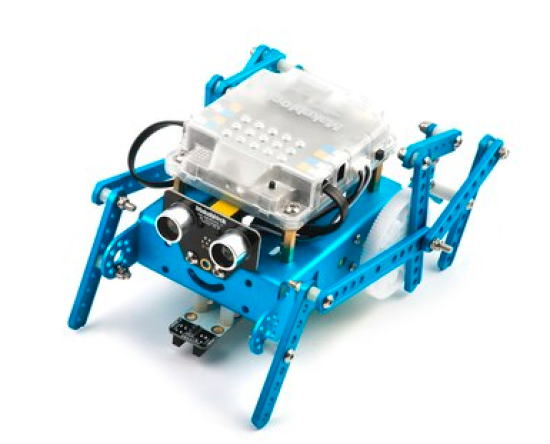
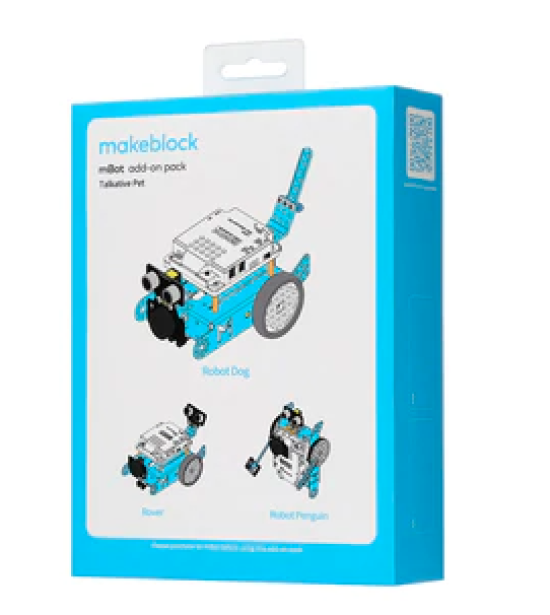
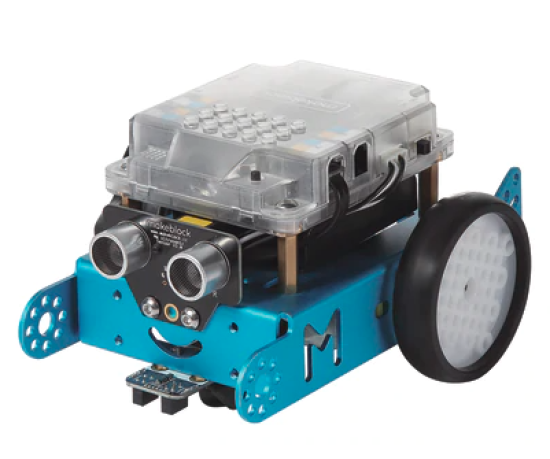
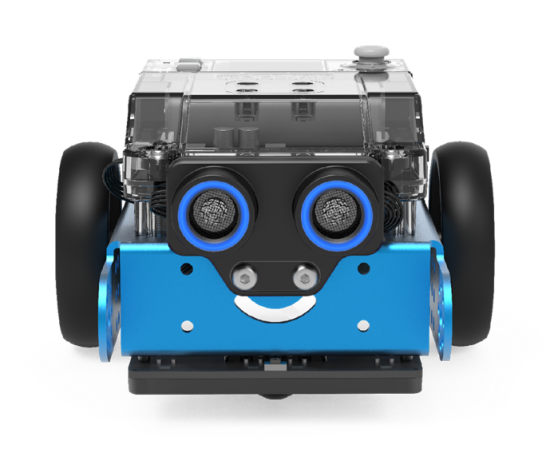
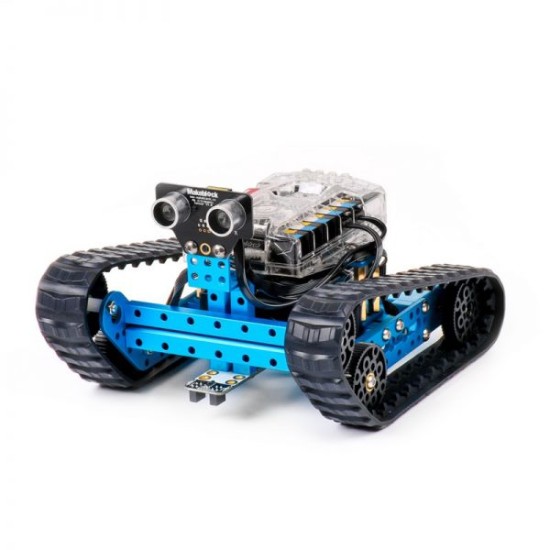
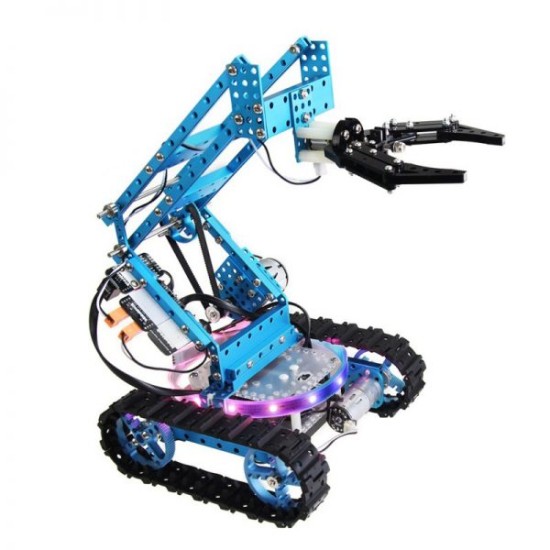
mBot2 command sets
-
Activity: Programming and controlling mBot2 robots
Unit 4: ICT
-
Using the Internet for learning
-
Internet fundamentals
-
Benefits of the Internet
-
Activity: Keywords
-
Activity: Search engines
-
Steps for searching knowledge online
-
Activity: Evaluating information reliability
-
Activity: Evaluating information reliability
-
Activity: Is e-learning illness really dangerous?
Unit 5: Creative Artificial Intelligence (AI)
Unit 6: Data Collection, Processing, and Decision Analysis
-
What is Data?
-
Information concepts
-
Activity: Data or Information
-
Overview of transforming data into information
-
Activity: Using software to solve problems
Unit 7: Digital Literacy
-
Safe use of information technology
-
Following Internet usage agreements
-
Safe technology usage
-
Understanding rights and respecting others
-
Activity: Understanding rights and responsibilities
-
Polite and appropriate digital communication
-
Activity: Digital communication etiquette
-
Personal data
-
Activity: Setting access permissions
Related Organizations
-
IMAKE Innovation
-
Imagineering Education
-
TIRA (Thai IoT Robotics Association)
-
EEAST
-
depa (Digital Economy Promotion Agency)
-
School of Engineering, KMITL
Production Team
Executive Producer:
Manit Jansutthirangkul
Executive Editor:
Bunga Menthong
Academic Content:
Ms. Suthida Jirakanchanakul (Som)
Ms. Ratri Phempoon (Oum)
Ms. Saowalak Raksaat (Mint)
Ms. Sudarat Phanroj (Anna)
Ms. Wannee Sukprasertsilp (May)
Reviewers:
Assoc. Prof. Theerawat Prakobphon
Assoc. Prof. Dr. Tuenjai Achivapanich
Proofreader:
Ingor Wirinit
Illustrations:
Digidea Co., Ltd.
www.shutterstock.com
Art Direction and Layout:
Saddawan Limwech (Ying)
Printed by:
Dansuttha Printing Co., Ltd.
307 Soi Lat Phrao 87, Wang Thonglang, Bangkok, Thailand
Produced and Distributed by:
Imagineering Education Co., Ltd.
138 On Nut Road, Prawet, Bangkok, Thailand
For book, media, or course orders, please contact:
Tel: +66 2-331-2729-30
Kru Neng: +66 86-415-1759
Kru Tik: +66 93-364-6914
Kru Kai: +66 81-642-1776